
Oral Cancer Screenings in Sugar Land, TX
Oral cancer is a serious condition — but when detected early, the chances of successful treatment improve dramatically. At Pearl Dental in Sugar Land, TX, we include oral cancer screenings as a standard part of every comprehensive dental exam because we believe early detection saves lives. This quick, painless check takes just a few minutes and could make all the difference. If you’re overdue for a visit, call us today at (281) 564-5654 — your health is worth it.
What Is an Oral Cancer Screening?
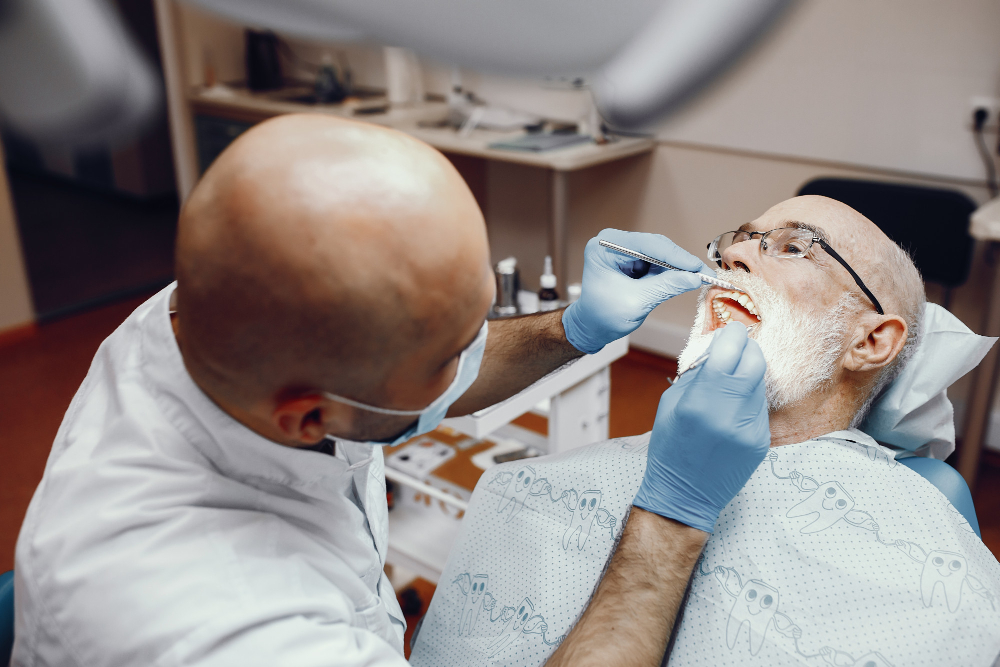
An oral cancer screening is a visual and physical examination of the mouth, lips, tongue, throat, and surrounding tissues to check for signs of cancerous or precancerous changes. Dr. Hussain will carefully inspect the soft tissues inside your mouth — including the cheeks, gums, floor of the mouth, roof of the mouth, and the back of the throat — looking for anything that appears abnormal.
Common warning signs of oral cancer include white or red patches (leukoplakia or erythroplakia), sores or ulcers that do not heal within two weeks, unusual lumps or thickened areas in the tissue, and persistent soreness or numbness in the mouth or throat. Other symptoms patients sometimes notice on their own include difficulty swallowing, unexplained bleeding in the mouth, and swelling in the face, jaw, or neck.
The screening itself is non-invasive and takes only a few minutes during your regular dental cleaning and exam appointment. Our team uses an intraoral camera to get a detailed look at areas that may be difficult to visualize with the naked eye. If anything concerning is identified, Dr. Hussain will discuss next steps with you, which may include monitoring the area or a referral to a specialist for further evaluation.
Who Should Get an Oral Cancer Screening?
Everyone benefits from routine oral cancer screenings, but certain factors increase risk and make regular monitoring especially important. Tobacco use — whether smoked or smokeless — is one of the most significant risk factors for oral cancer. Heavy alcohol use, prolonged sun exposure (which can affect the lips), and infection with the human papillomavirus (HPV) are other known contributors. A history of previous oral cancer or a family history of the disease also warrants more frequent screenings.
However, it’s important to note that oral cancer can and does occur in patients with none of these risk factors. Because early-stage oral cancer often causes no pain and may not be visible to patients themselves, having a trained professional examine your mouth regularly is the most reliable way to catch it early. At Pearl Dental, we encourage all patients — regardless of risk level — to prioritize this screening as part of their routine dental care.
The Importance of Early Detection
Oral cancer that is diagnosed at an early stage has a significantly higher survival rate than cancer caught in advanced stages. Unfortunately, oral cancer is often diagnosed late because early symptoms can be subtle or mistaken for minor issues like canker sores. Regular dental visits at Pearl Dental provide an important opportunity for detection that goes far beyond just keeping your teeth clean.
Your dental appointment is not just about your teeth — it’s a whole-mouth health visit. In addition to screenings for oral cancer, we also monitor your gum health, check your bite, evaluate existing restorations, and watch for signs of conditions like bruxism that may require a night guard. Don’t skip your routine visits — call (281) 564-5654 or request an appointment online today.
Frequently Asked Questions About Oral Cancer Screenings
How often should I have an oral cancer screening?
We recommend an oral cancer screening at every routine dental exam, which for most patients means once every six months. Patients with elevated risk factors — such as tobacco or alcohol use — may benefit from more frequent screenings. Talk to Dr. Hussain about how often is right for your individual situation.
Does the screening hurt?
Not at all. An oral cancer screening is completely painless. Dr. Hussain will visually inspect your mouth and may gently feel the tissues of the jaw and neck to check for lumps or abnormalities. The entire process takes just a few minutes as part of your regular exam.
What happens if something suspicious is found?
If Dr. Hussain identifies an area of concern, he will discuss it with you openly and calmly. Depending on what is found, he may recommend monitoring the area at a follow-up appointment, or referring you to a specialist — such as an oral and maxillofacial surgeon — for further evaluation or a biopsy. A suspicious finding does not automatically mean cancer.
What are the early signs of oral cancer I should watch for?
Watch for sores in the mouth that don’t heal after two weeks, white or red patches on the gums, tongue, or cheek lining, unexplained bleeding, a lump or thickening in the soft tissues, chronic sore throat or hoarseness, or difficulty chewing or swallowing. If you notice any of these, contact our office promptly.
Is oral cancer screening covered by dental insurance?
Many dental insurance plans cover oral cancer screenings as part of a routine preventive exam. Standalone screenings may vary in coverage. Our team will help you understand your benefits and any out-of-pocket costs. Visit our financial information page for more details.
Can oral cancer be prevented?
While there is no guaranteed way to prevent oral cancer, reducing your risk is possible. Avoiding tobacco in all forms, limiting alcohol consumption, protecting your lips from sun exposure with SPF lip balm, and maintaining good oral hygiene all contribute to a lower risk. Regular dental checkups remain the most effective tool for early detection.
I don’t smoke or drink — do I still need a screening?
Yes. While tobacco and alcohol are the most well-known risk factors, oral cancer can occur in people with no identifiable risk factors at all. HPV-related oral cancers in particular are rising among non-smokers. Annual screenings are recommended for all adult patients regardless of lifestyle habits.