
Root Canal Treatment in Sugar Land, TX
Root canals have an undeserved reputation — the reality is that modern root canal treatment is no more uncomfortable than getting a filling, and it relieves the significant pain caused by a tooth infection. At Pearl Dental in Sugar Land, TX, Dr. Hussain performs root canals with a gentle, patient-focused approach to save your natural tooth and restore your comfort. If you’re experiencing tooth pain, swelling, or sensitivity, call us at (281) 564-5654 so we can evaluate your situation promptly.
When Is a Root Canal Needed?
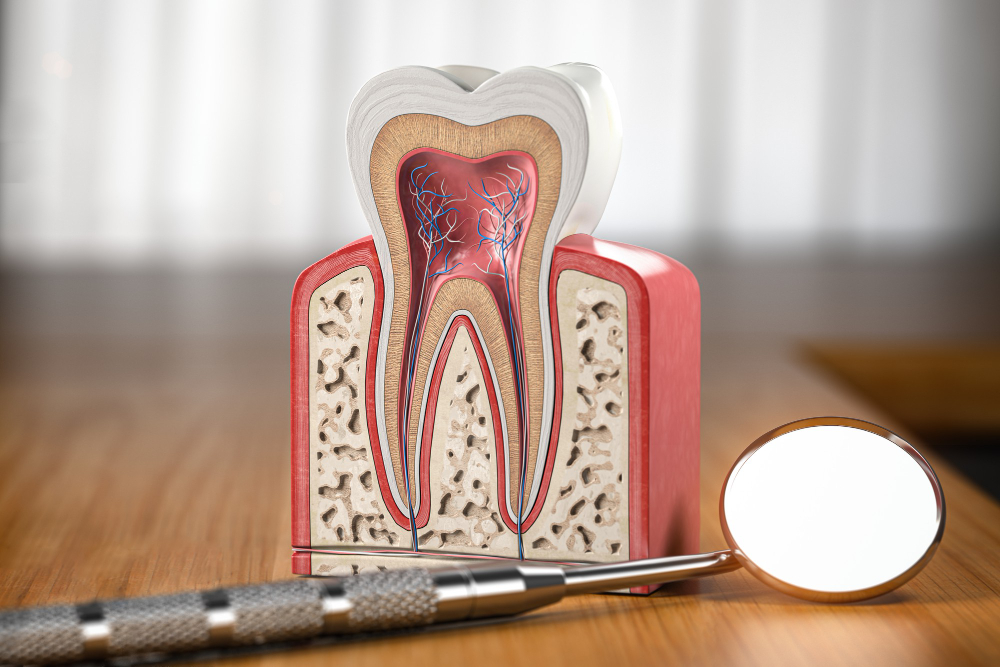
A root canal becomes necessary when decay or bacteria penetrate deep enough to reach the inner pulp of the tooth — the soft tissue containing nerves and blood vessels. This can happen when a cavity goes untreated for too long, when a tooth is cracked or chipped and bacteria enter through the damage, or as the result of repeated dental procedures on the same tooth. Once infection reaches the pulp, the nerve becomes inflamed or dies, and a root canal is often the only way to save the tooth from extraction.
Because the damage is happening inside the tooth, you may not see it — but you will usually feel it. Common signs that a root canal may be needed include severe or throbbing tooth pain, prolonged sensitivity to heat or cold (especially after the source is removed), pain when biting or applying pressure to the tooth, darkening or discoloration of the tooth, and swelling or tenderness in the surrounding gum tissue. In some cases, a small pimple-like bump on the gums near the affected tooth — called a fistula or dental abscess — may also be present.
Don’t wait for the pain to become unbearable. A dental infection will not resolve on its own and can spread to surrounding teeth, bone, and in serious cases, other areas of the body. If you notice any of these symptoms, contact Pearl Dental right away or visit our emergency dental care page for guidance.
What Happens During a Root Canal?
The root canal procedure begins with the administration of local anesthesia to fully numb the affected tooth and surrounding area. Once you are comfortable, Dr. Hussain will create a small opening in the top of the tooth to access the infected pulp chamber. Using specialized instruments, he will carefully remove the infected or damaged pulp tissue, clean and shape the canals inside the root, and disinfect the entire area thoroughly.
The cleaned canals are then filled with a biocompatible material called gutta-percha and sealed to prevent reinfection. In most cases, a porcelain crown is placed over the treated tooth to restore its full strength and function, since a tooth that has had a root canal can become more brittle over time. The crown also protects against future fracture. Digital X-rays are used throughout the process to ensure the roots are thoroughly cleaned and the filling is properly placed.
Most patients are pleasantly surprised by how straightforward the procedure is and experience significant relief from their pre-treatment pain. Recovery typically involves mild soreness for a day or two, which can be managed with over-the-counter pain relievers. You can return to normal activities the next day in most cases.
Saving Your Natural Tooth Matters
Whenever possible, preserving a natural tooth is the preferred outcome. Natural teeth function better, look better, and help maintain the structural integrity of your jawbone in ways that no restoration can fully replicate. A root canal gives a compromised tooth a second chance. If the tooth cannot be saved and an extraction is required, we can discuss replacement options such as dental implants or bridges to restore your smile. Call us at (281) 564-5654 or request an appointment today.
Frequently Asked Questions About Root Canals
Do root canals hurt?
Root canals are performed under local anesthesia, so the procedure itself should be painless. Most patients report that the discomfort they felt before the root canal — from the infection — was far worse than the treatment. Modern techniques and anesthesia have made root canal therapy a routine, manageable procedure for the vast majority of patients.
How long does a root canal take?
Most root canals can be completed in one to two appointments, each lasting about 60–90 minutes depending on the complexity of the tooth and the extent of the infection. Molars with multiple canals may take longer than front teeth. Dr. Hussain will give you a realistic time estimate at your consultation.
What are the signs I might need a root canal?
Key signs include severe or persistent tooth pain, prolonged sensitivity to heat or cold, pain when biting down, a darkened tooth, swollen or tender gums near a tooth, and a bump on the gum (abscess). These symptoms warrant a prompt dental exam — call us at (281) 564-5654 right away.
What happens if I don’t get a root canal when I need one?
Without treatment, a tooth infection will worsen and spread. The tooth may eventually need to be extracted, and the infection can potentially spread to the jaw, neck, or other areas — which can become a serious medical concern. Treating it early with a root canal is much safer and preserves the natural tooth.
Do I need a crown after a root canal?
In most cases, yes. After a root canal, the tooth structure is weakened and becomes more susceptible to fracture. A porcelain crown placed over the tooth restores its full strength, protects it from cracking, and gives it a natural appearance. Dr. Hussain will advise you on whether a crown is needed for your specific tooth.
Can a root canal fail?
Root canals have a very high success rate, but in rare cases, a tooth may not heal properly or may become reinfected. Signs of a failing root canal include returning pain, swelling, or sensitivity. In these situations, a retreatment procedure or referral to a specialist may be necessary. We’ll monitor your tooth at follow-up visits to ensure proper healing.
Is a root canal better than extraction?
In most cases, saving a natural tooth through a root canal is the preferred option over extraction. Natural teeth function more naturally and help preserve jawbone density. However, if a tooth cannot be saved, we offer excellent replacement options such as dental implants. Dr. Hussain will help you weigh the options based on your specific situation.