
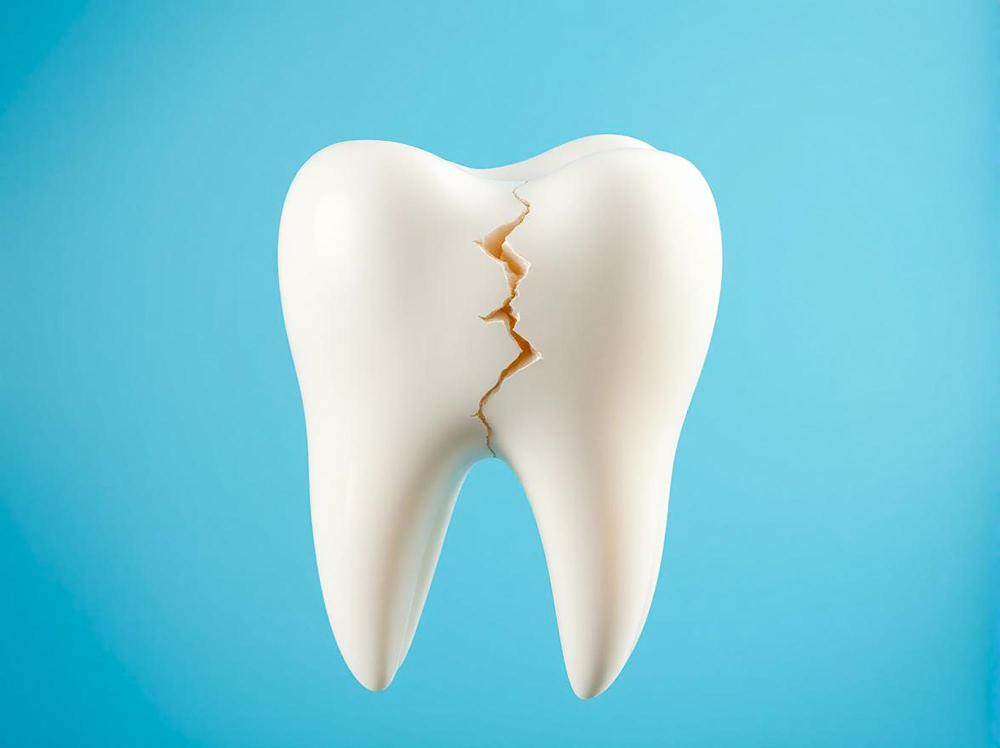
Cracked Tooth Repair in Sugar Land, TX
A cracked tooth may not always be visible, but it can cause significant pain, sensitivity, and long-term damage if left untreated. At Pearl Dental in Sugar Land, TX, Dr. Hussain is experienced in diagnosing and treating cracked teeth — from minor surface cracks to deeper fractures that affect the inner structure of the tooth. The sooner a cracked tooth is evaluated, the better the chances of saving it. Call (281) 564-5654 if you’re experiencing pain or sensitivity and suspect a crack.
Symptoms and Causes of Cracked Teeth
Cracked teeth can be tricky to diagnose because the symptoms are often intermittent. Pain that comes and goes — particularly when biting down or releasing pressure — is one of the most telling signs. You may also notice sensitivity to hot, cold, or sweet foods that lingers after the source is removed, or a sharp pain that occurs in a specific area of the mouth without an obvious cause. Because cracks are frequently invisible to the naked eye and don’t always show up on X-rays, pinpointing the exact tooth requires a thorough clinical examination using our intraoral camera and bite testing.
Common causes of cracked teeth include biting down on hard foods (ice, hard candy, popcorn kernels), teeth grinding (bruxism), trauma or injury to the mouth, large existing fillings that weaken the tooth structure over time, and the natural aging and weakening of enamel. Patients who grind their teeth at night are particularly susceptible — another reason a custom night guard is so important for protecting your teeth long-term.
Types of Cracks and Treatment Options
Not all cracks are the same, and treatment depends on the type and severity of the fracture. A craze line is a minor, superficial crack in the outer enamel that typically causes no symptoms and may only require monitoring or a cosmetic fix. A fractured cusp — where a piece of the chewing surface breaks off — usually doesn’t reach the pulp and can often be restored with a crown.
A crack that extends from the chewing surface down toward — or into — the root is more serious and typically requires a root canal followed by a crown to save the tooth. If the crack has split the tooth into two separate pieces (a split tooth), extraction may be the only option — followed by tooth replacement with a dental implant or bridge. A vertical root fracture — a crack that starts in the root and extends upward — also typically requires extraction. Dr. Hussain will evaluate the extent of your crack and present you with the most conservative treatment option that still preserves the tooth whenever possible. Call (281) 564-5654 or request an appointment promptly — early treatment almost always leads to a better outcome.
Frequently Asked Questions About Cracked Tooth Repair
How do I know if my tooth is cracked?
Common signs include pain when biting or releasing bite pressure, sensitivity to temperature that lingers, and sharp pain in a specific area without an obvious cause. Cracks are often invisible and may not show on X-rays, which is why a clinical examination is essential. If you suspect a crack, call our office at (281) 564-5654 for an evaluation.
Can a cracked tooth heal on its own?
No. Unlike bones, teeth cannot heal themselves. A crack will not close or repair on its own — and without treatment, it will typically worsen over time, eventually leading to infection, pain, or tooth loss. Early treatment gives you the best chance of saving the tooth with a less invasive procedure.
What treatment is used for a cracked tooth?
It depends on the type and severity of the crack. Minor surface cracks may need only monitoring or a cosmetic fix. More significant cracks typically require a crown, a root canal plus crown, or in severe cases, extraction followed by tooth replacement. Dr. Hussain will recommend the most conservative option appropriate for your specific situation.
Will a cracked tooth always need a crown?
Not always. Minor craze lines or very small chips may be addressed with bonding or polishing. However, cracks that compromise the structural integrity of the tooth — especially those extending below the gumline — typically do require a porcelain crown to restore full strength and prevent further fracture.
Can I prevent my teeth from cracking?
You can reduce the risk significantly by avoiding habits like chewing ice, biting nails, and opening packages with your teeth. Wearing a custom night guard if you grind protects your teeth from the cumulative stress of bruxism. Wearing a sports mouth guard during physical activity also reduces the risk of trauma-related fractures.
Does a cracked tooth hurt?
It depends on the type and extent of the crack. Some cracks cause intermittent pain only when biting; others cause constant sensitivity. Some — particularly craze lines — cause no pain at all. The absence of pain does not mean a crack isn’t there or doesn’t need attention. A professional evaluation is the only way to determine the extent and appropriate treatment.
Is cracked tooth repair covered by insurance?
Coverage depends on the type of treatment needed. Crowns and root canals are typically covered at least partially by most dental insurance plans as major restorative procedures. Our team will verify your coverage and discuss all costs before proceeding with treatment. See our financial information page for payment options.